Selecting the right website designer is more than just an important decision; it’s a pivotal one that can set the trajectory for your small business’s online success. Your website is essentially the digital face of your brand, and it’s crucial that it makes a lasting impression. But how do you navigate the myriad options and technical jargon to make an informed choice? The key lies in asking the right questions.
This comprehensive guide aims to demystify the process of hiring a website designer by focusing on the essential questions you should be asking. Covering everything from the designer’s range of services to financial considerations, the development process and even post-project support, these questions are designed to provide a holistic understanding of what to expect. Whether you’re a business veteran or a newcomer, this guide will arm you with the critical knowledge needed to make a decision that’s in perfect alignment with your business goals and budget.
So, without further ado, let’s delve into the questions that could very well shape the future of your online presence as a business owner.
What Website Services Are on Offer?
One of the first and most crucial questions to ask before hiring a website designer is about the range of services they offer. The term ‘website designer’ can be a bit of a catch-all, encompassing a variety of services from basic layout design to complex back-end development and even ongoing SEO management.
Some designers excel in creating visually stunning interfaces but may not have the technical skills to implement advanced features or optimise the site for search engines. Others might offer a comprehensive package that includes not just design but also development, SEO, and even content creation.
Understanding the breadth of services offered is essential because it directly impacts other decisions you’ll need to make. For instance, if a designer doesn’t offer SEO services, you’ll need to consider hiring an additional professional to ensure your website ranks well in search engine results.
Therefore, it’s vital to clarify these details upfront to avoid unexpected complications and costs down the line.
Freelance vs Agency: Which is Better for You?
 The next pivotal decision you’ll face is whether to hire a freelance designer or a full-service agency. This choice comes with its own set of pros and cons, and the right answer depends on various factors, including your budget, the complexity of your project, and your personal preferences.
Freelancers often provide a more personalised service and direct communication. You’re essentially hiring an individual who will dedicate their time and skills to your project, which can be invaluable. However, freelancers may lack the wide array of resources and specialisations that an agency can offer.
Agencies, on the other hand, bring a team of experts to the table—each with their own set of skills and expertise, such as content writers, SEO consultants, copywriters and graphic designers. This can be particularly beneficial for more complex projects that require specialised knowledge in areas like SEO, content strategy, or user experience design.
However, agencies often come with a higher price tag and may not provide the same level of personalised service you’d get from a freelancer. Therefore, weigh these factors carefully to determine which option aligns best with your project’s needs.
What Level of Experience and Expertise Does Your Website Designer Have
Consider the designer’s experience and expertise. A portfolio of past work can provide invaluable insights into a designer’s style and capabilities, but don’t stop there. Ask specific questions about their experience with projects similar to yours or within your industry.
For example, designing a website for a restaurant with an online booking system requires different skills than creating an e-commerce platform. The more closely a designer’s experience aligns with your specific needs, the more likely they are to deliver a product that meets your expectations without a steep learning curve. This not only makes the design process more efficient but also increases the likelihood of your project’s success.
What Technologies and Platforms Does the Web Designer Specialise In?
When embarking on a web design project, one of the first things to consider is the technology stack that will be used to build your website. Different designers specialise in different technologies and platforms, and understanding this is crucial for aligning your project with the right expertise.
For example, if you’re looking for a content-heavy site that’s easy to update, a designer who specialises in WordPress might be the ideal fit. WordPress is known for its user-friendly interface and extensive plugin ecosystem, making it a popular choice for various types of websites.
On the other hand, if your project involves complex functionalities or you need a highly customised solution, you might be better off with a designer who excels in custom-coded solutions. These could range from HTML, CSS, and JavaScript for front-end development to Python, Ruby, or PHP for back-end development. Custom-coded solutions offer greater flexibility but often come with a steeper learning curve for managing the website post-launch.
Some designers may specialise in e-commerce platforms like Shopify or Magento/Adobe Commerce, which come with built-in functionalities tailored for online stores. If your business involves selling products online, choosing a designer with expertise in these platforms can significantly streamline the development process.
It’s essential to discuss your project requirements in detail and ask the designer about their areas of expertise. This not only ensures that you’re on the same page but also that you’re leveraging their strengths to the benefit of your project. It’s all about finding the right fit, both in terms of skills and the specific needs of your business.
Is the Website Going to be a Mobile-Responsive Design?
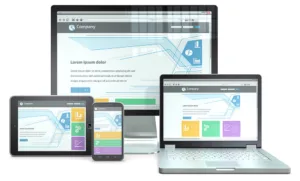 A mobile-responsive website automatically adjusts its layout, images, and functionalities to fit the screen size of the device it’s being viewed on. This ensures that users have a seamless and consistent experience, whether they’re accessing your site from a desktop, tablet, or smartphone.
When considering a web designer for your project, it’s imperative to inquire about their expertise in mobile-responsive design. This is not just a nice-to-have feature; it’s a necessity. Google’s search algorithm prioritises mobile-friendly websites, which means that having a mobile-responsive design is also crucial for SEO. Users are more likely to leave a site that is not mobile-friendly, increasing your bounce rate and negatively affecting your search engine rankings.
Ask your prospective designer how they approach mobile optimisation. How do they handle elements like navigation menus, forms, and buttons to ensure they’re easily usable on smaller screens? Do they perform testing on various devices to ensure compatibility? These are critical questions that can give you an idea of their proficiency in creating designs that work well across all platforms.
Are they Experienced in E-commerce Solutions?
Whether you’re selling products, services, or digital downloads, the functionality and user experience of your online store can significantly impact sales and customer satisfaction. Therefore, if your website requires e-commerce capabilities, it’s crucial to discuss this aspect in detail with your prospective web designer.
Start by asking about their experience with e-commerce platforms. Are they familiar with popular solutions like Shopify, WooCommerce, or Adobe Commerce? Each of these platforms comes with its own set of features, advantages, and limitations. For instance, Shopify is known for its ease of use and quick setup but may lack some customisation options. WooCommerce, on the other hand, offers extensive customisation but might require more hands-on management. Knowing your designer’s expertise in these platforms can help you make an informed decision on which one is best suited for your business needs.
Next, delve into the specific functionalities you require. How do they plan to implement essential e-commerce features like payment gateways, shopping carts, and product catalogues? Will they be integrating third-party solutions for payments, or do they offer custom payment gateway development? What about other features like inventory management, shipping options, and tax calculations? Understanding how these elements will be implemented can give you a clearer picture of the final product.
Also, consider discussing the user experience of the online store. How do they plan to make the shopping experience intuitive and straightforward? Will they be incorporating features like product filters, reviews, and wish lists to enhance user engagement? What strategies do they have in place for optimising page load times, particularly for product pages with high-resolution images?
By discussing these aspects in detail, you can ensure that the designer is well-equipped to handle the complexities of building an e-commerce website. It’s not just about adding a shopping cart; it’s about creating an online shopping environment that’s secure, user-friendly, and aligned with your business objectives.
How will the Security of my Website be Handled?
With increasing instances of cyber-attacks, data breaches, and unauthorised access, ensuring the security of your website and the data it holds is paramount. This is especially crucial if your website will be handling sensitive information such as customer data, payment details, or confidential business information.
When discussing your project with a prospective web designer, make it a point to inquire about their approach to website security. This encompasses a range of measures, from basic ones like installing SSL certificates to more advanced strategies like data encryption, firewall setup, and regular security audits.
An SSL certificate, for instance, encrypts the data transferred between the user and the server, making it difficult for hackers to intercept. Websites with SSL also gain the advantage of better search engine rankings, as Google considers it a ranking factor.
Ask the designer about their experience with implementing various security protocols and measures. Do they offer regular security updates and patches? How do they handle vulnerabilities and potential security risks? What steps do they take to ensure data integrity and prevent unauthorised access? If your website requires user logins, how do they plan to secure passwords and other personal information?
Who will Create Content for the Website?

When selecting a web designer, it’s worth inquiring if they offer content creation services such as copywriting, photography, or even video production. Having a designer who can also provide content has several advantages. First, it ensures a cohesive strategy where the design and content are developed in tandem, each complementing the other. This is particularly beneficial for ensuring that the visual and textual elements of your site are in harmony, creating a more unified user experience.
Second, it can simplify project management. Coordinating between different professionals for design and content can sometimes lead to delays and increased complexity. If the designer offers comprehensive services that include content creation, it streamlines the process, making it easier to manage timelines and deliverables.
However, it’s essential to assess the quality of these additional services. Ask for samples of previous work, be it articles, product descriptions, or visual content like photographs and videos. If the designer’s expertise in content creation matches their skills in design, it can be a valuable addition to their service offering.
Will My Website Be SEO Optimised?
Search Engine Optimisation (SEO) is often mistakenly considered a separate entity from web design, something to be tacked on after the fact. However, in today’s digital landscape, SEO is an integral part of the design process and should be considered from the outset. A well-designed, aesthetically pleasing website is of little use if it doesn’t rank well on search engines and attract the right kind of traffic.
Therefore, it’s essential to ensure that your chosen designer is well-versed in SEO best practices. This includes a range of factors, from the technical aspects like fast loading times and mobile responsiveness to content-related elements like keyword optimisation and meta descriptions.
A designer who incorporates SEO into their workflow will not only deliver a website that looks good but also one that performs well in search engine rankings. This dual focus will significantly enhance the visibility of your site, making it easier for potential customers to find you.
What Is Their Approach to Website Loading Speed?
A slow-loading website can be a significant deterrent for users, leading to higher bounce rates and lower engagement. Moreover, website loading speed is a ranking factor for Google, making it crucial for search engine optimisation (SEO). Therefore, when you’re in discussions with a prospective web designer, it’s essential to delve into their approach to optimising website loading speed.
Begin by asking what strategies they employ to ensure fast loading times. One common technique is image compression, which reduces the file size of images without significantly compromising quality. This is particularly important for websites that are heavy on visual content, as large image files can dramatically slow down page loading times. Do they use automated tools for this, or is it a manual process? Knowing the methods involved can give you an idea of how efficiently they handle this aspect.
Code optimisation is another critical factor for website speed. Ask the designer how they approach this. Do they minify CSS and JavaScript files to reduce their size? Do they use asynchronous loading for non-essential scripts to ensure that they don’t block the rendering of the page? These technical details can make a significant difference in how quickly your website loads.
Caching is another strategy for improving website speed. By storing copies of frequently accessed files on the user’s browser, caching reduces the amount of data that needs to be transferred, thereby speeding up subsequent visits to the site. Inquire about their caching strategies and how they plan to implement them on your website.
Additionally, ask about their experience with Content Delivery Networks (CDNs). A CDN can distribute the load, saving bandwidth and speeding up access for your users, by routing them to the nearest location. This is especially beneficial for websites that serve a global audience.
Is Accessibility a Priority?
An accessible website is not only ethical but also beneficial for your business. It ensures that your site is usable by the widest possible audience, including individuals with disabilities. This could range from simple design elements like easily readable fonts and high-contrast colour schemes to more technical features like screen reader compatibility and keyboard navigation.
Given the increasing focus on inclusivity, many countries now have legal requirements for website accessibility, making this a critical consideration. When discussing your project with potential designers, make sure to ask how they plan to make your website accessible.
Do they have experience with the Web Content Accessibility Guidelines (WCAG)?
Can they provide examples of accessible websites they’ve designed in the past?
By making accessibility a priority, you’re not just doing the right thing; you’re also improving the user experience for all your visitors, which can have a positive impact on your brand and your bottom line.
What is the Design Process?
 Understanding the design process is not just a matter of curiosity; it’s a critical component of effective project management. A well-defined, structured process can be the difference between a project that runs smoothly and one that is fraught with delays and budget overruns.
When discussing the design process with a potential web designer or agencies, you should expect a clear outline of the various stages involved, from the initial consultation and needs assessment to the conceptual design, development, testing, and final handover.
Equally important is understanding how you, as the client, will be involved at each stage. Will you have regular check-ins for updates and approvals? Will you be provided with prototypes or mock-ups for review?
Knowing these details upfront allows you to set expectations and ensures that you remain an active participant in the design process, rather than a passive observer.
How do they Handle Website Testing?
Website testing is an indispensable phase in the web development process. It serves as the final quality check before your website goes live, ensuring that it functions seamlessly across various browsers, devices, and operating systems. Given its critical importance, it’s essential to discuss in detail the testing protocols your prospective web designer follows.
Begin by asking what their standard testing procedures are. Do they conduct both manual and automated tests? Manual testing involves real users navigating the site to identify any usability issues, while automated testing uses software to check for technical glitches. Both approaches have their merits, and a combination of the two often yields the most comprehensive results.
Next, inquire about cross-browser and cross-device testing. With the plethora of web browsers and devices in use today, it’s crucial that your website performs consistently across all of them. Ask the designer how they ensure this. Do they use emulators for testing, or do they have a range of physical devices to test on? What browsers do they focus on, and how do they handle older versions that might not support all modern web features?
Also, discuss the scope of the testing. Does it cover just the essential functionalities like navigation, forms, and links, or does it extend to more complex features like payment gateways, user accounts, and third-party integrations? Knowing the extent of the testing can give you a clearer picture of how thorough their quality assurance process is.
Accessibility testing is another aspect to consider. With increasing emphasis on making the web accessible to all, including those with disabilities, it’s essential to know how the designer plans to test for accessibility. Do they follow the Web Content Accessibility Guidelines (WCAG), and what tools do they use to ensure compliance?
Lastly, ask about their process for handling issues that arise during testing. How do they document these issues, and what is their turnaround time for resolving them? Timely identification and resolution of problems are crucial for keeping the project on schedule.
By gaining a thorough understanding of the designer’s approach to website testing, you can be more confident in the quality and reliability of the final product. It’s not just about identifying issues; it’s about ensuring that your website offers a smooth, consistent experience to all users, thereby enhancing its effectiveness as a business tool.
Who Will I Be Working Closely With?
When you’re investing in a project as significant as a website design, knowing who you’ll be working with on a day-to-day basis is crucial. This is particularly important if you’re considering hiring an agency, where multiple team members with different areas of expertise may be involved in your project.
In such cases, it’s not uncommon for agencies to assign a project manager as your primary point of contact. This person is responsible for keeping you updated, gathering your feedback, and ensuring that the project stays on track. Make sure you’re comfortable with this arrangement and that you have confidence in the individual assigned to your project. Good communication is key to a successful project, and that starts with knowing who you’ll be communicating with.
What Is Your Preferred Method of Communication?
 Clear, effective communication is the cornerstone of any successful project, and web design is no exception. The method and frequency of communication can significantly impact the project’s progress and your overall satisfaction with the process. Therefore, when discussing your project with a prospective web designer, it’s essential to establish their preferred methods of communication to ensure that the collaboration runs smoothly.
Start by asking what channels they typically use for client communication. Is it primarily via email, or do they prefer phone calls or video conferences? Each method has its pros and cons. Email allows for detailed explanations and leaves a written record, but it may lack the immediacy and nuance of a phone conversation. Video conferences offer the advantage of face-to-face interaction, making it easier to discuss complex issues or review visual elements, but they require scheduling and may not be convenient for quick updates.
Next, inquire about the frequency of communication. Will they provide regular updates at set intervals, or will communication be more ad-hoc, based on project milestones or specific needs? Regular updates can help you stay in the loop and make timely decisions, while milestone-based communication may be more focused but less frequent. Knowing what to expect can help you plan your involvement and ensure that you’re never out of the loop.
Also, discuss the protocol for urgent issues or changes. How quickly can you expect a response, and what is the best way to reach them in case of emergencies? Timely communication is crucial when dealing with urgent matters, and knowing the best way to get a quick response can be reassuring.
What is the Timeline and What Milestones Should You Expect for Your Web Design Project?
One of the most practical aspects to nail down before embarking on your website design project is the timeline. A well-defined design plan and timeline not only sets the pace for the project but also establishes key milestones that serve as checkpoints throughout the process.
These milestones could be as straightforward as the completion of the initial design mock-ups, the end of the development phase, or the successful testing of any complex features like e-commerce capabilities or user login portals. Discuss these milestones in detail with your designer, including what will be delivered at each stage and what feedback or approvals may be required from you.
Having this timeline allows you to plan your own schedule and commitments around the project, ensuring that you’re available to provide timely input or approvals, which in turn helps keep the project on track.
What Are the Design Fees and Payment Options for Your Web Design Project?
Financial transparency is a cornerstone of any successful business relationship, and this is especially true when it comes to something as significant as a website design project. Before you proceed with hiring a designer or agency, it’s imperative to have a clear understanding of their pricing models.
Some designers work on a fixed-price basis, providing you with a single quote for the entire project. Others may charge an hourly rate, which can be more flexible but also potentially more uncertain in terms of total cost.
Each model has its merits and drawbacks, and the best choice often depends on the specifics of your project. For instance, a fixed price might be more suitable for a project with well-defined requirements, while an hourly rate could be a better fit for projects that are more exploratory in nature.
Regardless of the model you choose, make sure that there are no hidden costs or fees that could surprise you later. Every financial detail should be laid out clearly in your contract to avoid misunderstandings down the line.
What is Included in the Price?
 Once you have clarity on the pricing model, the next step is to understand exactly what services are included in the quoted price. For example, the initial quote might cover just the basic design and development but not include additional costs like SEO optimisation, content creation, or post-launch support.
The size and type of your website will determine the cost. For example, an E-Commerce site will demand a lot more attention and time to create than a simpler service-based website but will also require different additional services to launch too (SEO for products is very different to SEO for services).
You’ll also want to know how many rounds of revisions are included in the initial quote and what the cost would be for additional changes. Make sure to also inquire about any potential costs that could arise during the project, such as fees for using specific software or platforms.
All of these details should be meticulously documented in your contract to ensure that both parties have the same expectations regarding what is and isn’t included in the price.
What Are the Ongoing Costs for Maintaining Your Website?
While the initial design and development of your website are obviously important, it’s also crucial to consider the ongoing costs of maintaining your online presence. Many people mistakenly believe that once a website is up and running, the bulk of the expenses are behind them. In reality, websites require ongoing maintenance to keep them secure, functional, and up to date. This could range from regular software updates to more substantial modifications like adding new features or content.
There are recurring costs for website hosting, domain registration, and potentially even for services like email hosting or premium plugins. Some designers and agencies offer maintenance packages that cover these ongoing needs, while others may charge for them separately. Understanding these ongoing costs upfront allows you to budget more accurately for the short-term and long-term financial commitments involved in maintaining a website.
Will I Need Website Maintenance Services?
The completion of your website design project is not the end of your relationship with your designer; in many cases, it’s just the beginning.
Websites are not static entities; they require ongoing maintenance to ensure they continue to function correctly and stay up to date with the latest technologies and security protocols. This is especially important if you’re not particularly tech-savvy or if you simply don’t have the time to manage the technical aspects of your site.
Therefore, it’s crucial to discuss post-project support and maintenance services with your prospective designer. What do their maintenance packages include? Do they cover regular updates, security monitoring, and troubleshooting? Or are these services billed separately? Knowing this information upfront can help you make a more informed decision and ensure that you’re not left stranded once the initial project is completed.
Do You Offer Training on Managing the Website?
Once your website is live, the journey doesn’t end there. Regular updates, content additions, and ongoing maintenance are essential for keeping your site relevant and functional. While some businesses opt for a maintenance package from their web designer, others prefer to take the reins themselves, especially for minor updates and content changes. If you fall into the latter category, it’s crucial to discuss with your prospective designer whether they offer training on how to manage and update the website effectively.
Start by asking what kind of Content Management System (CMS) they will be using for your website. Popular platforms like WordPress, Joomla, or Drupal are known for their user-friendly interfaces, but even then, a certain level of familiarity is required to navigate and use them efficiently. Inquire if the designer offers a training session or guide on how to use the CMS. This could range from a simple PDF manual to a more interactive, hands-on training session.
The training should ideally cover essential tasks like adding or editing content, updating images, managing SEO settings, and monitoring website analytics. It should also include more technical aspects like user management, plugin updates, and basic troubleshooting. Knowing how to handle these tasks can empower you to make quick updates without having to rely on external help, saving both time and money in the long run.
Ask if they provide ongoing support or resources for you to refer to post-training. The digital landscape is ever evolving, and CMS platforms regularly roll out updates and new features. Having access to updated guides or a helpline can be invaluable for staying on top of these changes.
By ensuring that your designer offers comprehensive training on managing your website, you’re setting yourself up for greater autonomy and control over your digital presence. It’s an investment in building internal capabilities, allowing you to manage your website more effectively and responsively in the fast-paced online environment.
Can I See Projects and Results of Past Clients?
 While a well-curated web design portfolio can give you a good sense of a designer’s style and capabilities, it doesn’t necessarily provide insight into the effectiveness of their work. After all, a website is not just about looking good; it’s about meeting specific business objectives, whether that’s driving sales, generating leads, or increasing brand awareness.
It’s advisable to ask for more than just visual examples of past projects. Request case studies or performance metrics that demonstrate the impact of their work. How have their designs improved traffic, engagement, or conversion rates for past clients? Do they have testimonials or references that can vouch for their effectiveness? This kind of evidence can provide a more comprehensive view of what a designer can bring to your project, going beyond aesthetics to include strategy and results.
In the fast-paced digital world, your website is more than just a business card; it’s a dynamic tool that can drive sales, build brand recognition, and establish credibility. By asking the right questions, you can gain a comprehensive understanding of what to expect, ensuring that the designer you choose is not only competent but also aligned with your business objectives.
If you’ve found this guide helpful and are looking for a designer who ticks all these boxes, feel free to reach out for a no-obligation consultation. Let’s discuss how to turn your vision into a digital reality that not only looks good but performs exceptionally well. Don’t leave your online success to chance; make an informed decision that sets your business up for long-term success, contact me now to get started.
Can You Provide References or Testimonials?
While portfolios, case studies, and initial consultations can offer valuable insights into a web designer’s capabilities, nothing speaks more loudly than the voice of past clients. References and testimonials serve as third-party validations of a designer’s skills, professionalism, and reliability.
Therefore, as you near the end of your discussions with a prospective web designer, it’s crucial to ask if they can provide references or testimonials from previous clients. This additional layer of validation can offer you greater confidence in your choice.
Start by asking what types of references they can provide. Are these written testimonials that you can read, or are they willing to put you in direct contact with past clients for a more in-depth discussion? Each has its merits. Written testimonials are quick and easy to review and can be very telling, especially if they touch on points that are particularly important to you, such as timeliness, attention to detail, or post-launch support. On the other hand, speaking directly with past clients can offer more nuanced insights and the opportunity to ask specific questions.
Next, consider the relevance of these references to your project. Are they from clients in a similar industry, or who had similar project requirements? The more aligned the reference is with your own needs, the more valuable their feedback will be. If the designer has worked with businesses similar to yours, it not only validates their skills but also indicates an understanding of industry-specific challenges and requirements.
Also, inquire about the scope of the projects for which they have received testimonials. Were they smaller, simpler websites, or complex, multi-faceted projects? Knowing this can help you gauge whether the designer’s skills and experience are a good match for the scale and complexity of your project.
Lastly, pay attention to the aspects that the references or testimonials highlight. Do they focus on the designer’s creativity, their meticulous attention to detail, their excellent communication skills, or their reliability in meeting deadlines? These attributes can give you a well-rounded view of what to expect when working with the designer.
By asking for and carefully reviewing references or testimonials, you’re performing due diligence that can significantly inform your decision-making process. It adds an extra layer of assurance, helping you to make a more confident and informed choice in selecting a web designer for your project.
Selecting the right web designer is a pivotal decision that can influence the success of your online presence. It’s not just about aesthetics or cost; it’s about finding a comprehensive solution that aligns with your business objectives, brand identity, and long-term goals. By asking the right questions, you can gain valuable insights into a designer’s capabilities, professionalism, and approach to client collaboration. From understanding their range of services to discussing project management skills, from financial considerations to post-project support, each question serves as a building block in forming a complete picture of what you can expect.
Remember, a well-designed website is an investment in your business’s future. It’s your digital storefront, your online business card, and often the first interaction potential customers will have with your brand. Therefore, it’s crucial to choose a designer who not only has the technical skills but also understands your business and can translate that understanding into a website that resonates with your target audience.
If you’re ready to take the next step in your web design journey, feel free to get in touch. Let’s discuss how we can bring your vision to life, creating a website that not only looks great but also drives results.
