We all know that for small businesses, a robust online presence is a must in today’s digital age. But it’s not just about being online—it’s about providing a great user experience (UX) for every visitor who lands on your website. Today, we’ll delve into the critical role website design plays in shaping that UX, especially for small business websites.
In this blog post, I’ll cover what UX is, how website design elements can impact it, and why all of this matters for your small business. I’ll also share some practical tips for improving your website design to enhance user experience. Ready? Let’s dive in!
Understanding User Experience (UX)
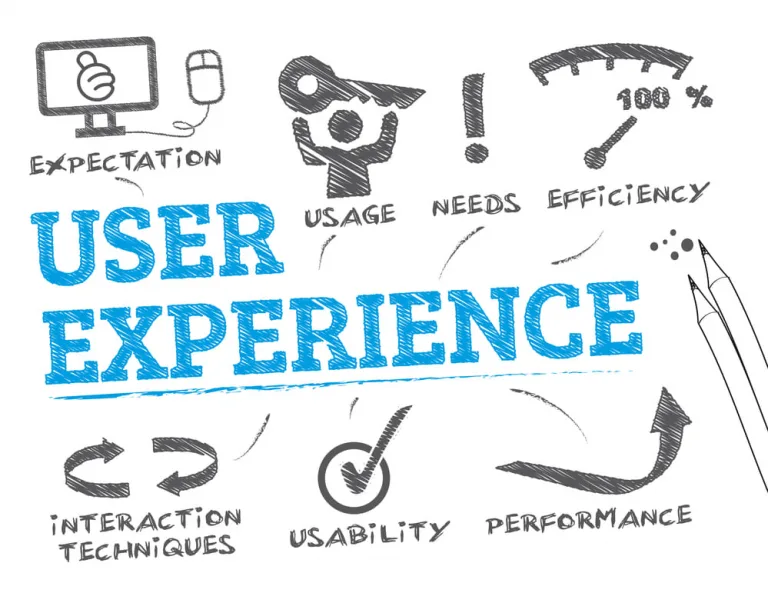
UX, or User Experience, is all about how a user interacts with and feels about your website. It’s about creating a smooth, intuitive, and enjoyable journey for your visitors. And for small businesses, providing excellent UX is a powerful way to build relationships and trust with your customers.
But what does website design have to do with UX? A lot, actually! Your website design is the first thing a user sees, and it can make or break their experience. If users find your site pleasing, easy to navigate, and fast, they are more likely to stay, explore, and engage with your business.
Let’s break down some of the key elements of website design that directly impact UX:
Visual Design
When it comes to first impressions, appearances matter. The aesthetic appeal of your site, including your chosen colour schemes and typography, can greatly influence how users perceive your brand. An attractive, professionally designed site can increase trust and engagement.
In contrast, poor visual design can leave users feeling confused or frustrated. For example, hard-to-read fonts or clashing colours can be off-putting and distract from your content. So, put some thought into your visual design—it’s worth it as well-designed websites often see higher levels of user engagement.
Navigation
Imagine visiting a new city without a map or directions. That’s how users feel on a website with poor navigation. A well-structured, intuitive site layout helps users find the information they need quickly and easily, enhancing their overall experience.
On the other hand, if users struggle to find their way around your site, they’re likely to leave—fast. So, make sure your navigation is straightforward and user-friendly. It’s a small detail with a big impact.
When users can easily navigate your site and find what they need, they’re more likely to interact with your content and return in the future.
Page Load Time
Nobody likes to wait, especially online. If your website takes too long to load, users will likely abandon it, which increases your bounce rate and hurts your SEO rankings.
Web design plays a critical role in your site’s load time. For instance, large images, complicated animations, and excess code can slow down your site. Optimising these elements can help your pages load faster, improving your UX and your search engine ranking.
Mobile Friendliness
Today, more than half of global web traffic comes from mobile devices. As such, a responsive design—that is, a design that adapts to different screen sizes—is vital for a good UX.
If your website doesn’t display or function well on mobile devices, you could be losing a large portion of your potential customers. Ensuring your site is mobile-friendly not only enhances user experience but also helps improve your SEO.
Content Layout
How you arrange and present your content can significantly impact how users interact with your site. A well-organised layout makes your content easier to digest and helps guide users through your site.
Overly cluttered pages, on the other hand, can overwhelm users and make it hard for them to find the information they’re seeking. Employ techniques like using headings, subheadings, bullet points, and plenty of white space to break up text and make your pages more user-friendly.
Accessibility
Web accessibility means designing your site so that everyone, including users with disabilities, can easily access and use it. An accessible site can reach a wider audience, improving both your UX and your bottom line.
Inaccessible design, on the other hand, can exclude potential users and may even violate legal requirements in certain regions. So, designing with accessibility in mind is both good practice and good business.
The Impact of Good User Experience on Your Website
Website design has a significant impact on user experience, especially for small business websites. From visual design to navigation to page load times, every design element can shape how users perceive and interact with your business online.
Remember, your website often serves as a user’s first impression of your brand—so make it count! With thoughtful, user-centric design, you can create a website that not only looks great but also drives user engagement and business success.
Good UX can also lead to higher conversion rates. If users enjoy their experience on your site, they’re more likely to take desired actions, whether that’s signing up for a newsletter, making a purchase, or contacting you for more information.
What are your thoughts on the impact of website design on UX? I’d love to hear from you. And if you’re a small business owner looking to enhance your website’s UX, feel free to reach out—I’m here to help!
